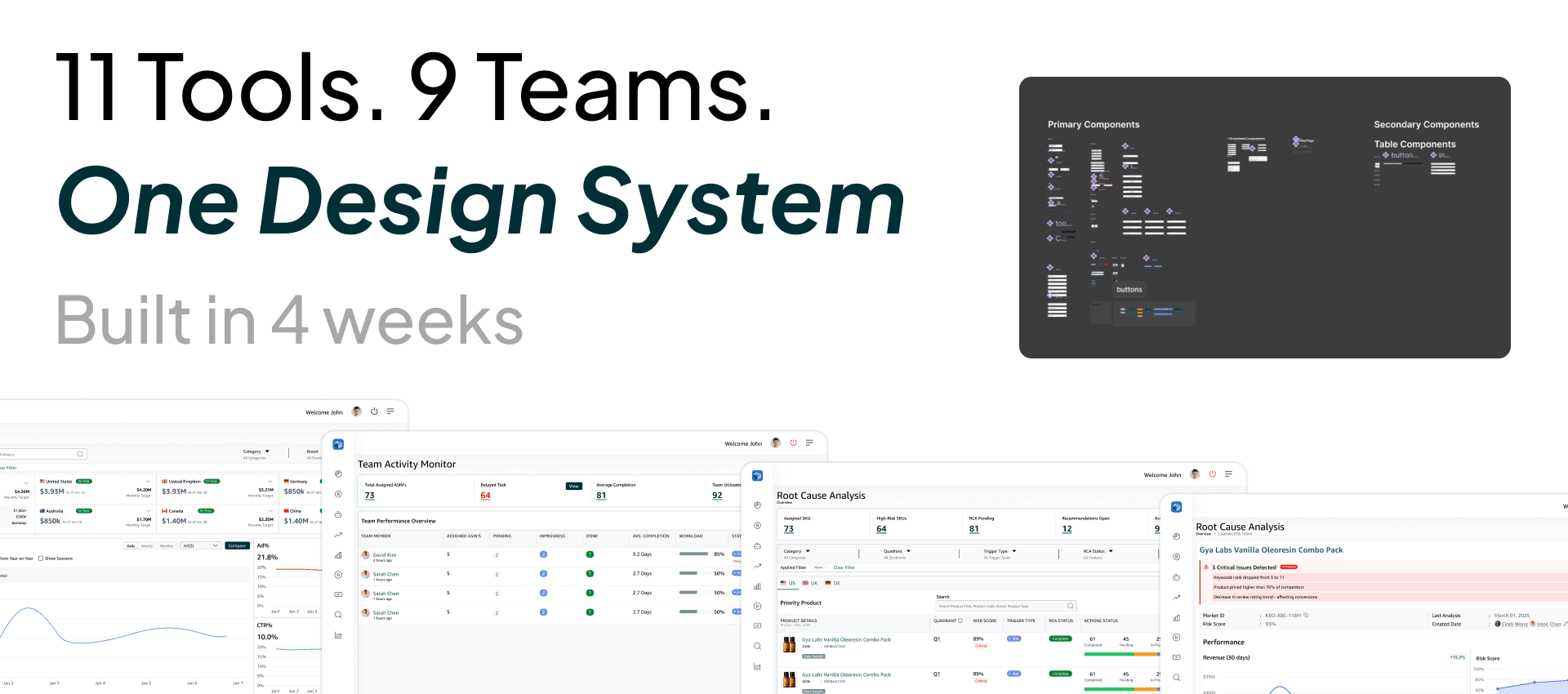
STIGYA Design System

Role

UI/UX Product Designer

Project

STIGYA Design System

Timeline

Aug 2025 - Sep 2025

Scope

UI, UX, Design System

image

My Approach

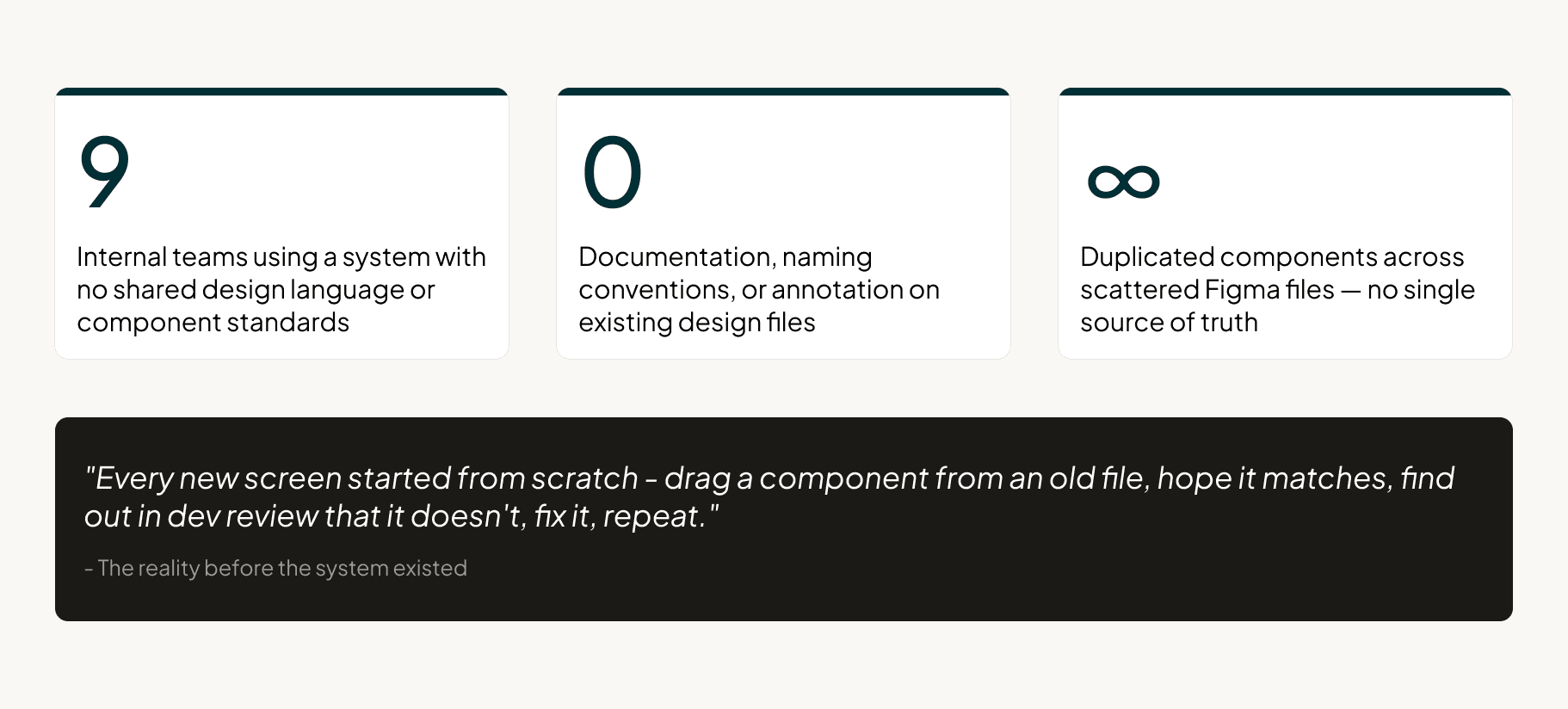
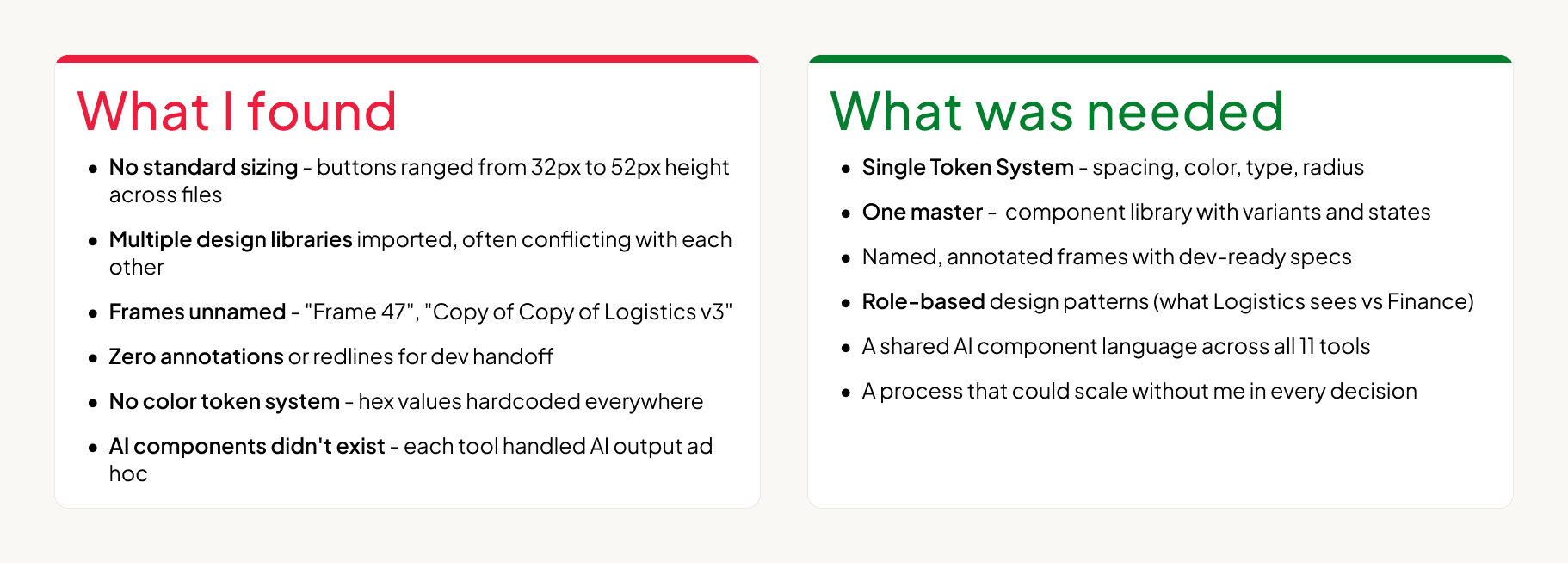
Before building anything, I audited everything

Four tools guided the discovery phase: Figma for the design audit, Miro for mapping the system relationships, Milanote for organising insights, and Frame0 for sketching interaction logic quickly enough to validate with developers before committing to high-fidelity.


Design Audit

Design Audit

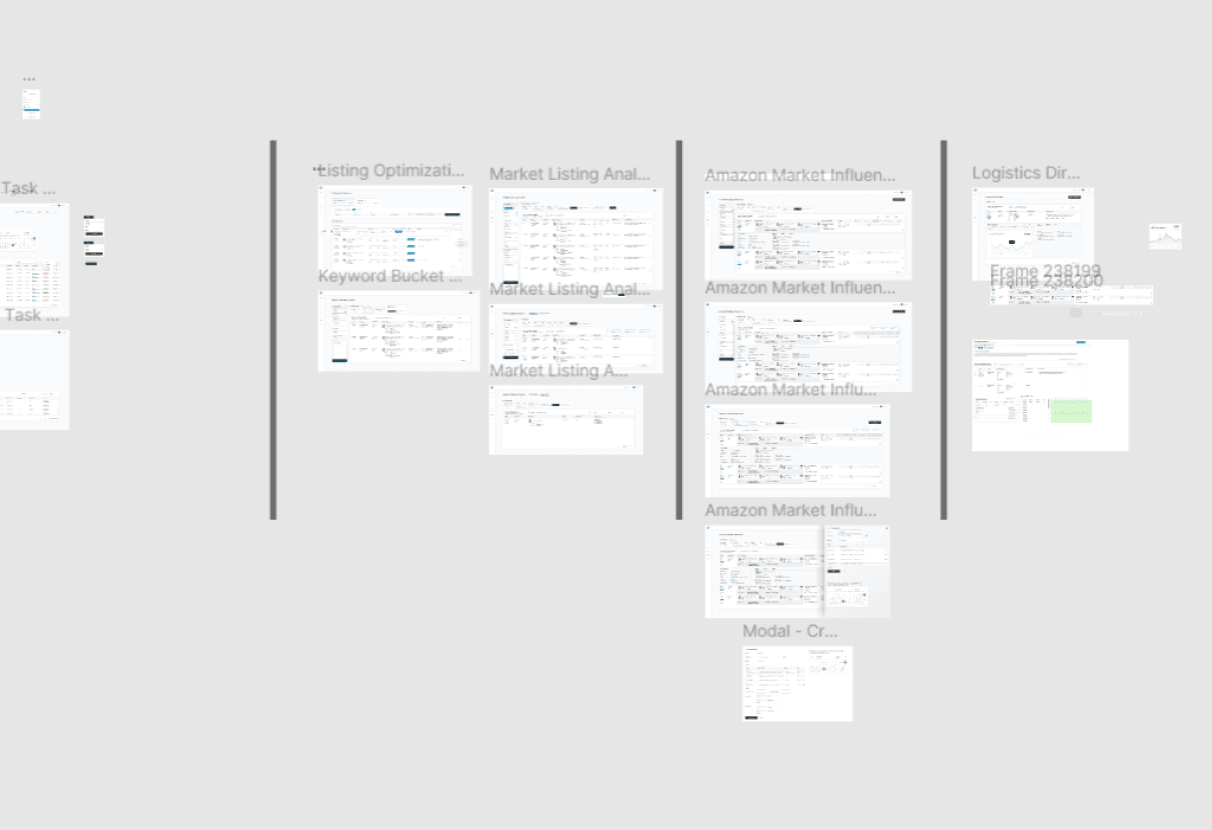
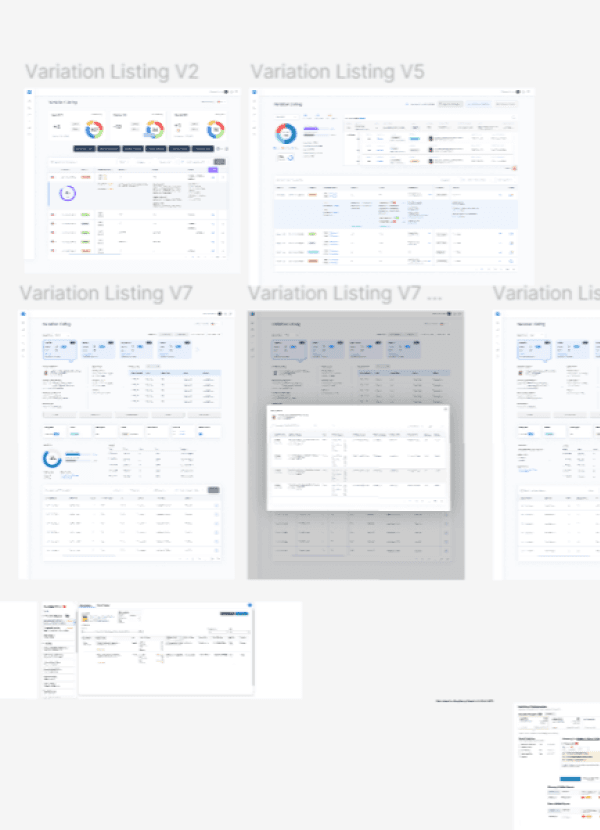
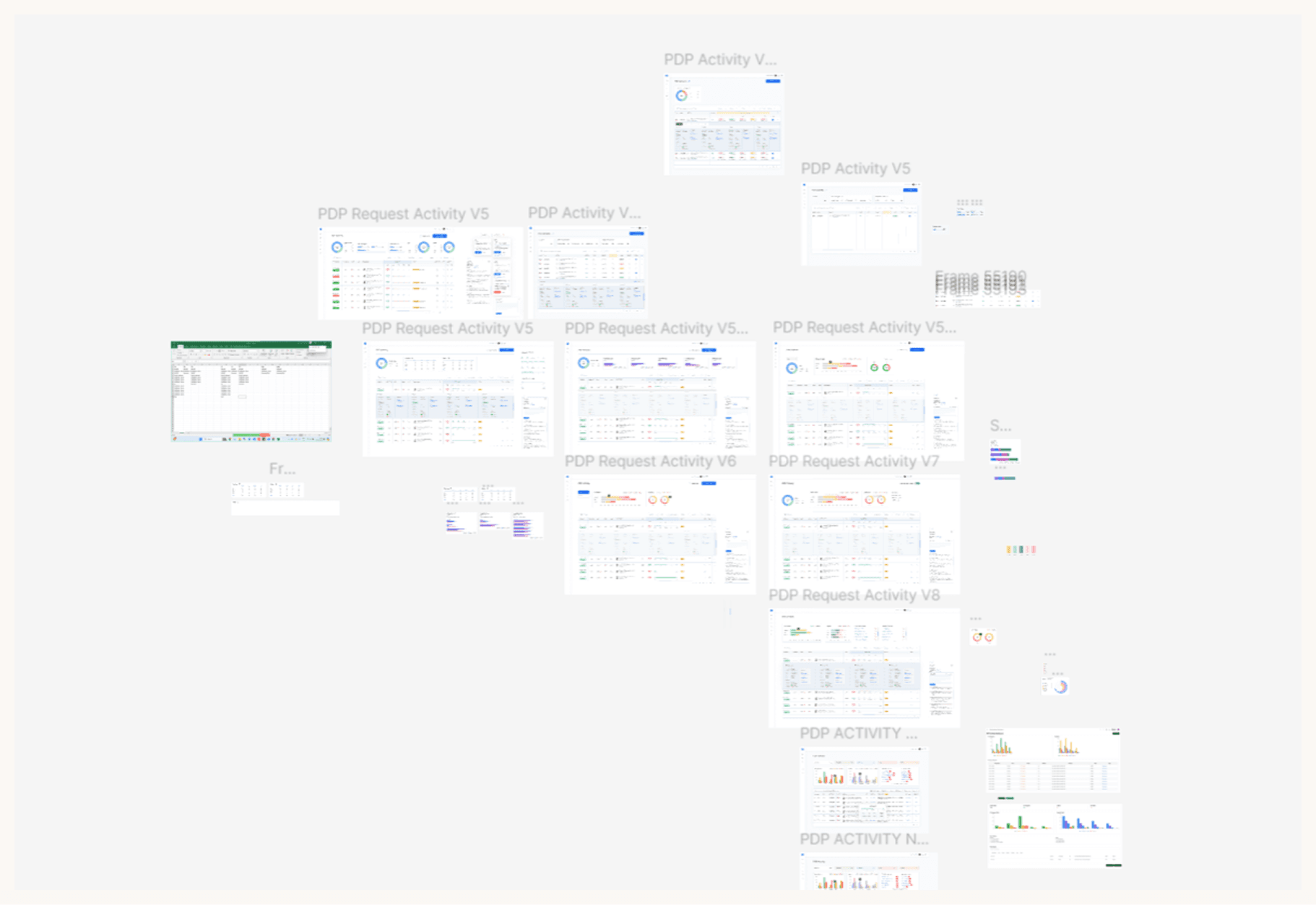
I went through every existing Figma file — all scattered across multiple drafts, shared libraries, and local components — and catalogued what existed versus what was consistent.


Teams Mapping

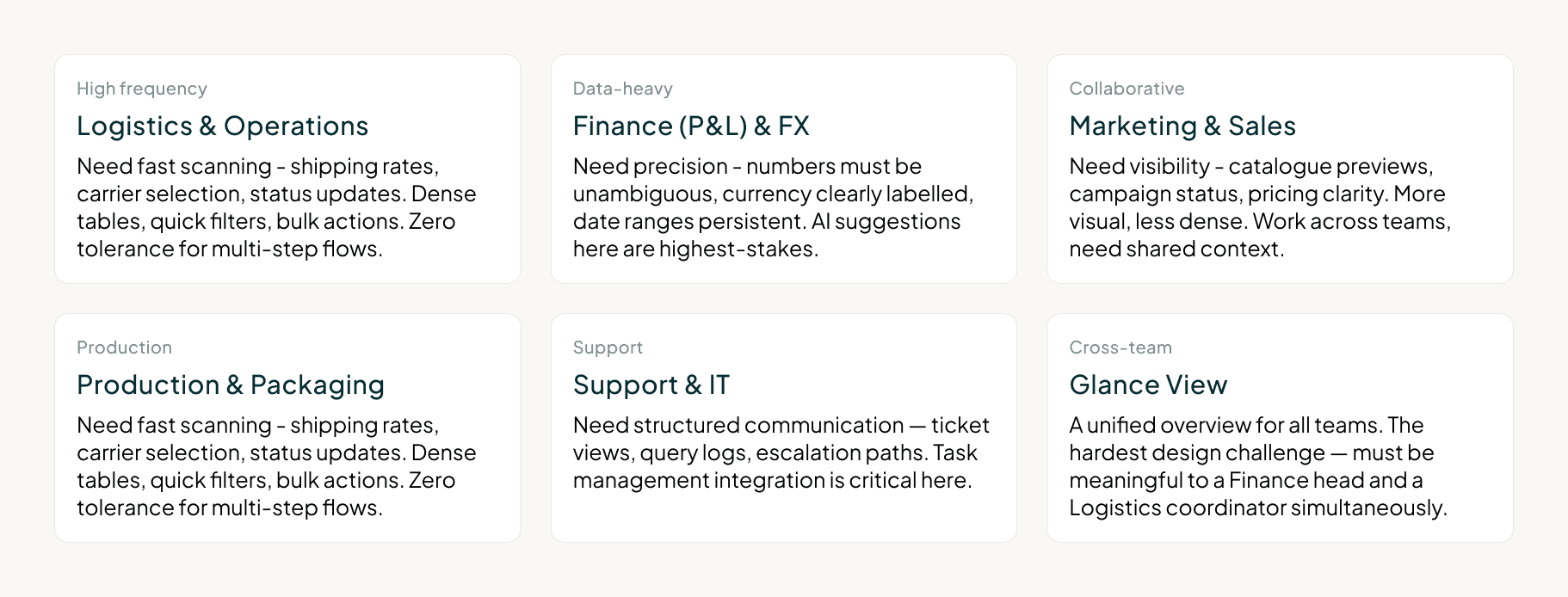
Each team had different workflows, different data densities, and different interaction speeds. I mapped what each team needed from the ERP before designing a single component.


My Approches

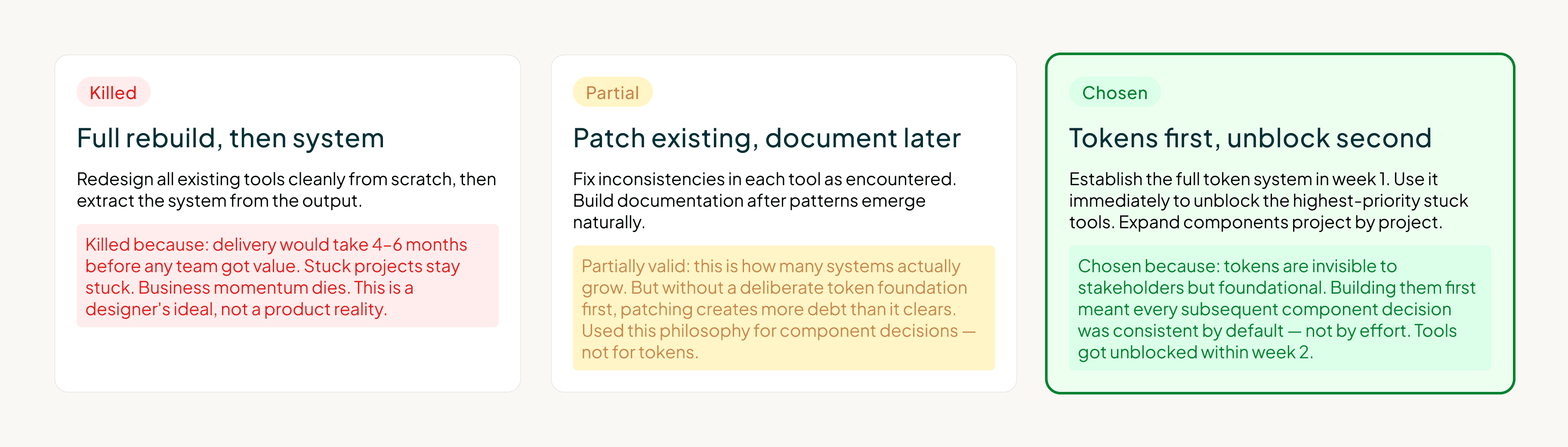
Three approaches. One right answer.

The business needed stuck projects unblocked immediately — but also needed a foundation that wouldn't need rebuilding in 6 months. I explored three structural approaches before committing.


Short Timeline

Week 1

Audit + token architecture

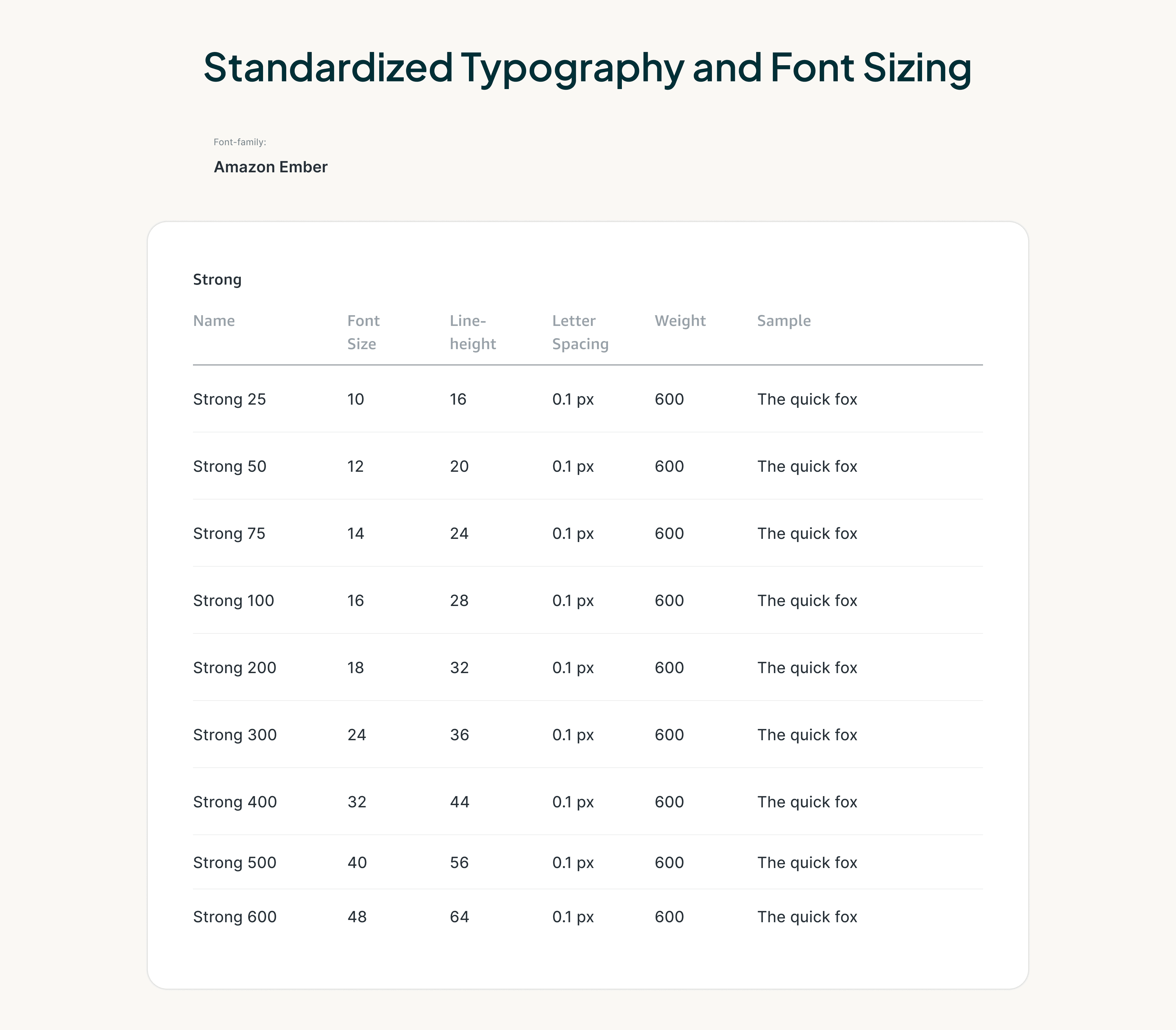
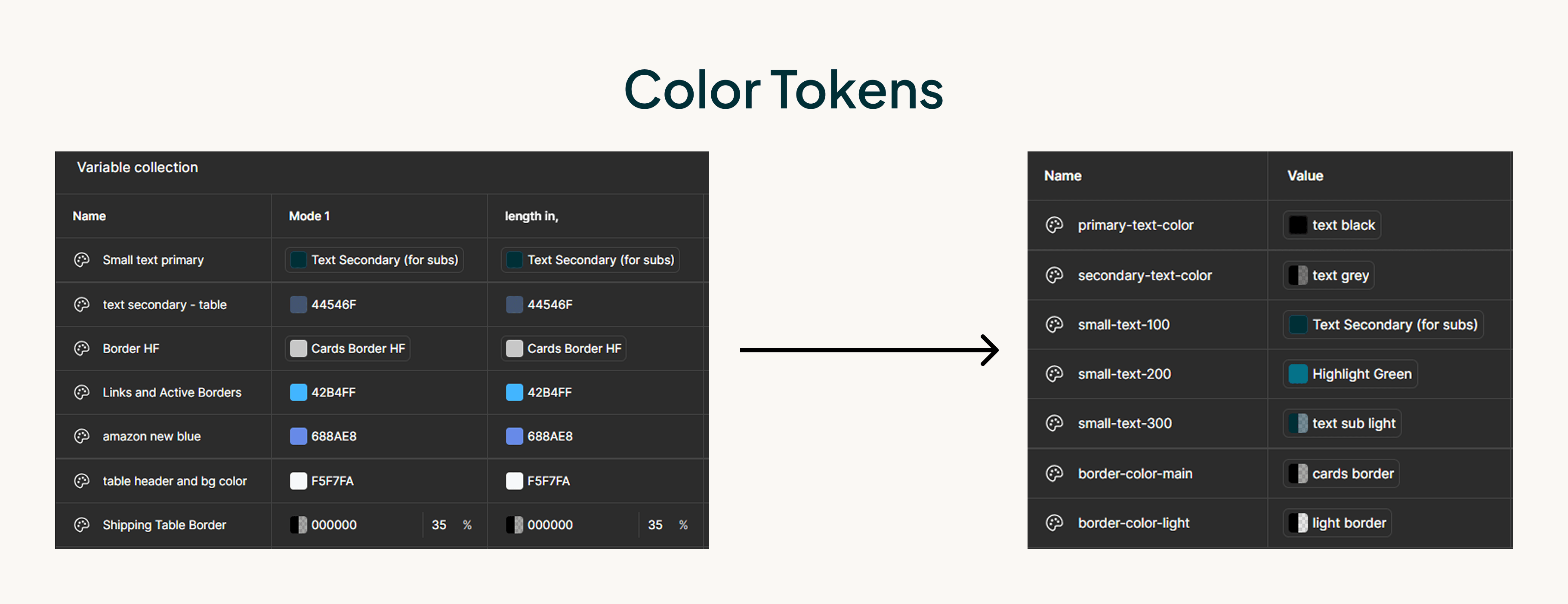
Full design audit across all files. Defined colour tokens (primitive + semantic), spacing scale, typography scale, border radius, shadow system. Documented in Figma variables.

Week 2

Base components + unblock sprint

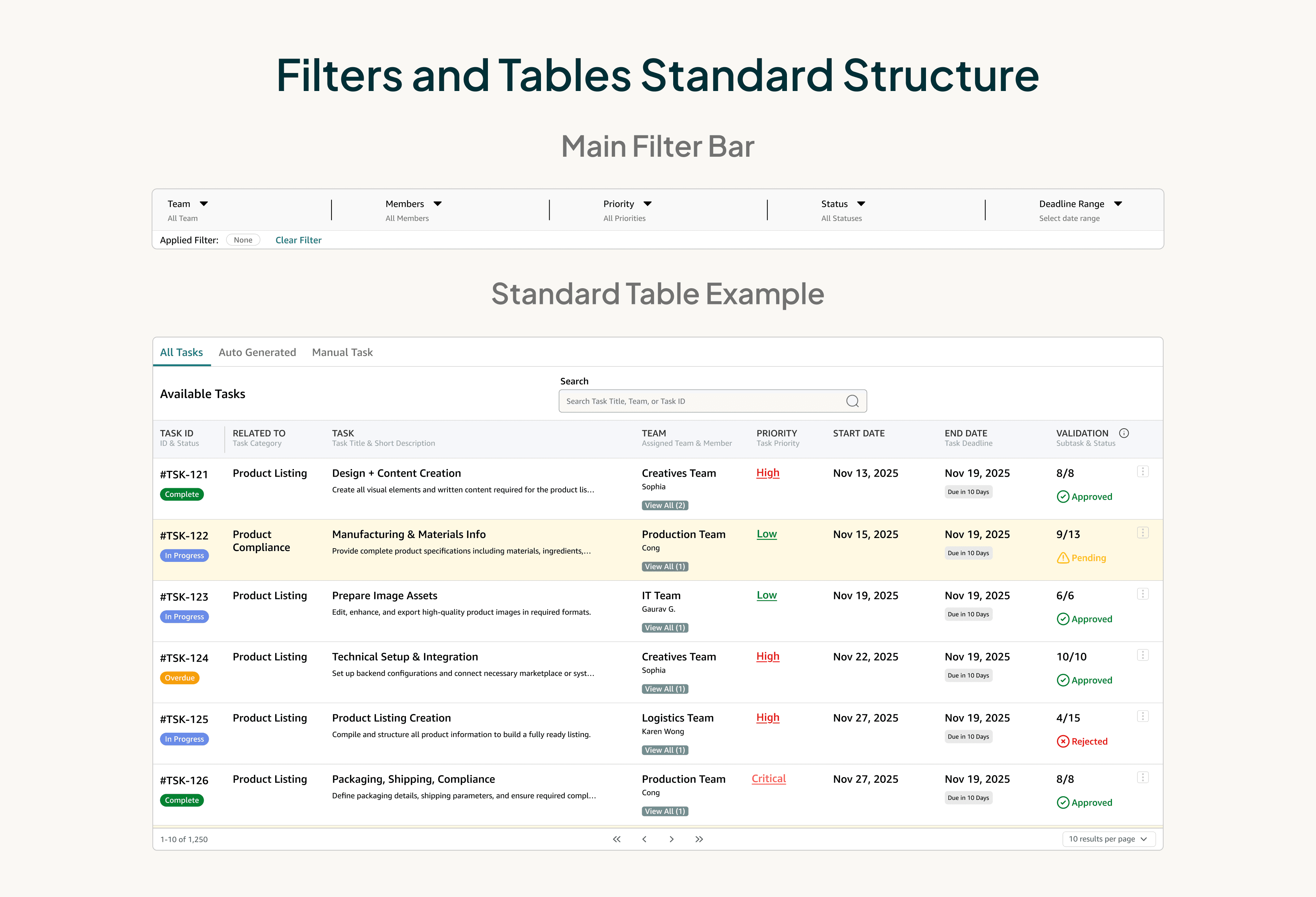
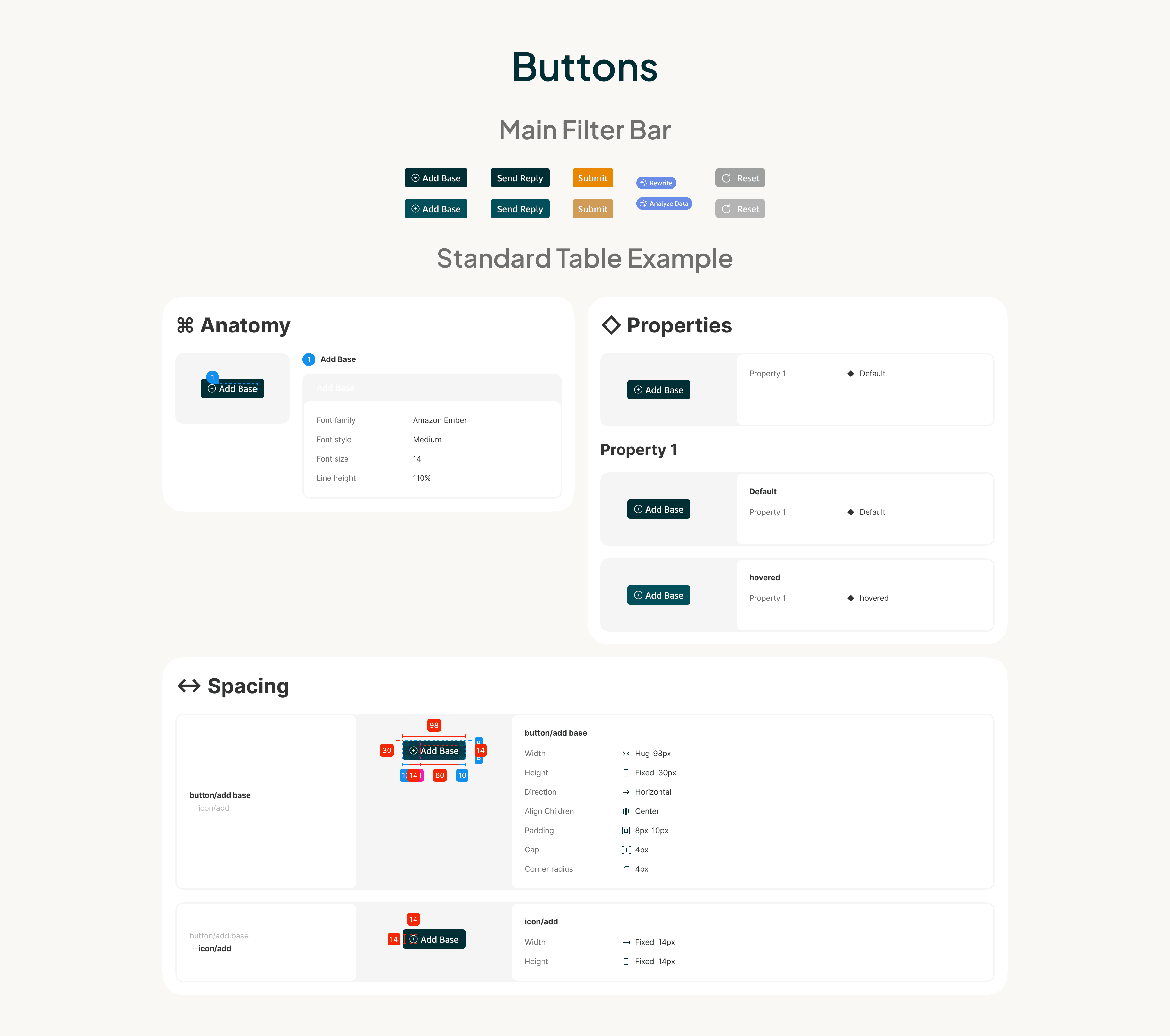
Built core components: buttons (all states), inputs, selects, tables, badges, modals. Immediately used to unblock the 3 highest-priority stuck projects. Overtime this week.

Week 3

AI component system

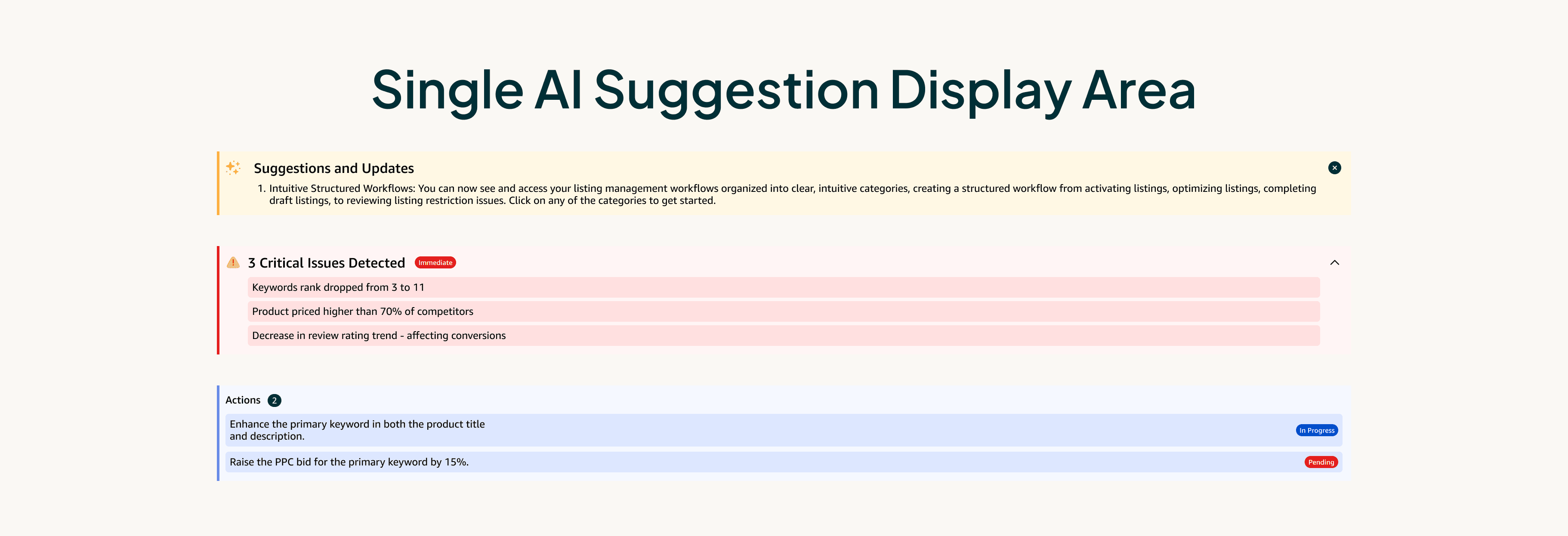
Designed and documented the AI layer: suggestion bar, quick insights panel, action suggestion component, account health monitor. Defined rules for when AI is surfaced and how.

Week 4

Handoff architecture + role system

Built dev-ready annotations, named every frame, created role-based state variants. Delivered to Angular/Django team with a component-to-code mapping document.


Work I did

What I actually built

Tokens are the invisible skeleton. Built as Figma variables mapped to CSS custom properties — so a colour change in one place ripples through all 11 tools consistently.


Metrics & Proof

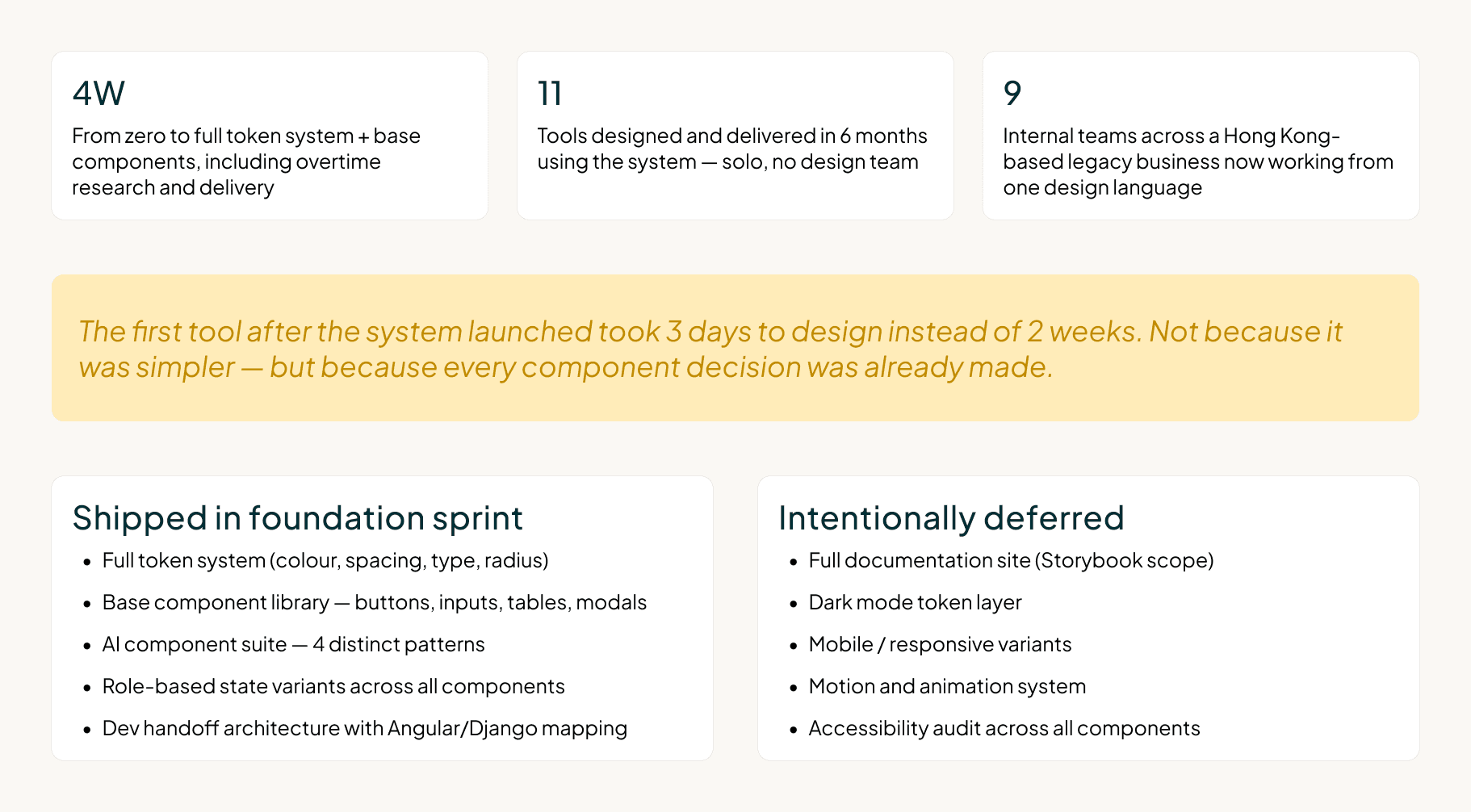
What the system actually changed

This was an internal product — no A/B tests, no NPS surveys. The proof is in delivery velocity and team behaviour, not dashboard numbers.


The deferred items weren't deprioritised carelessly — each one has a written brief with the rationale for when it becomes urgent. The accessibility audit in particular is something I flagged as critical for Phase 2, not optional.